In analog photography, the concept of “Aesthetic of Error” or “Error Aesthetics” referred to the appreciation and deliberate exploration of unpredictable, accidental, or uncontrolled effects that could occur during the development or capturing of analog photographs.
These effects could arise from factors such as accidental exposure, equipment malfunctions, or experimental chemical development processes. The Aesthetic of Error embraced the creative potential that emerged from these unexpected outcomes, empowering photographers to actively manipulate the photo development process to achieve unique and unconventional results.
The era of digitalization has rendered this aesthetic somewhat extinct as it no longer aligns with the new notion of seeking image perfection. We now expect digital cameras to produce as “beautiful” images as possible, rather than focusing on errors or mistakes.
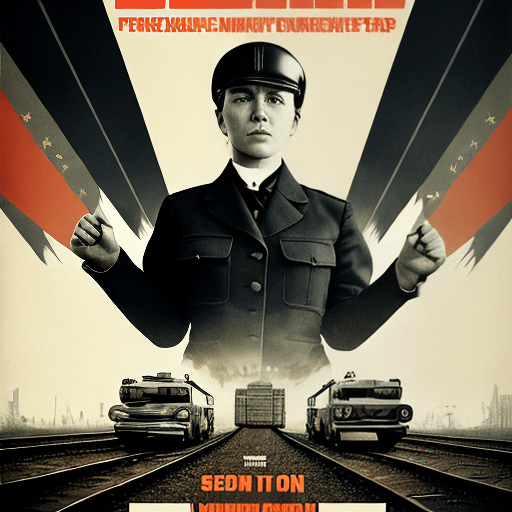
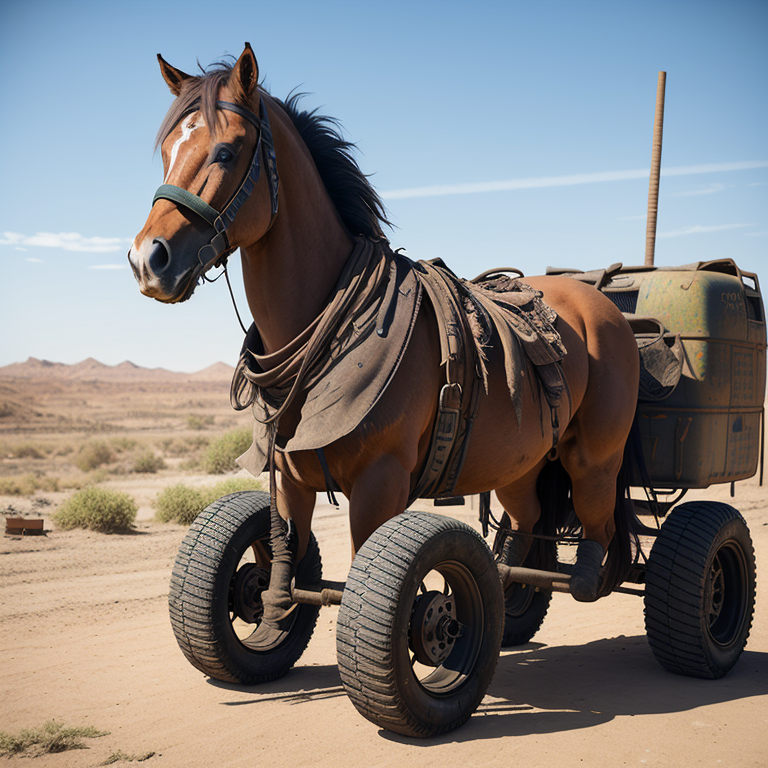
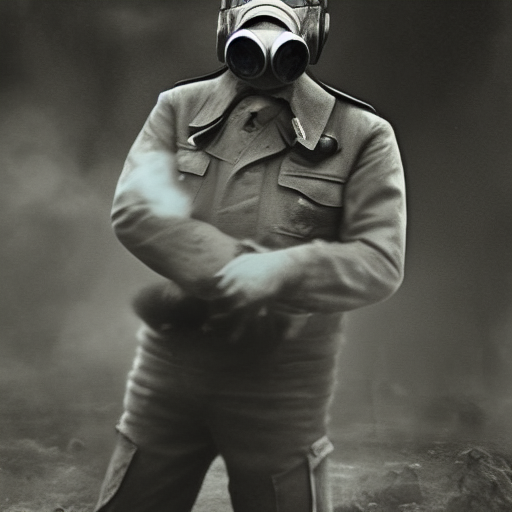
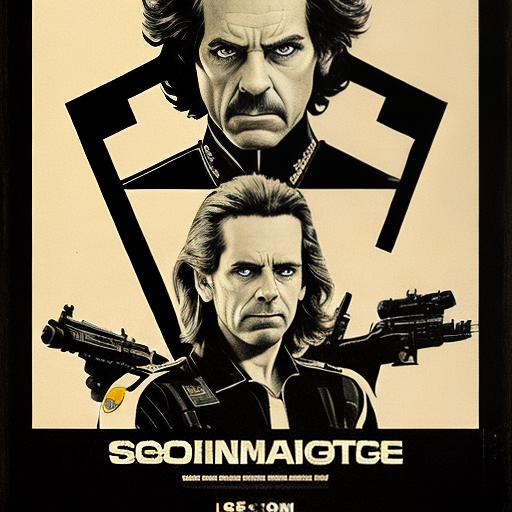
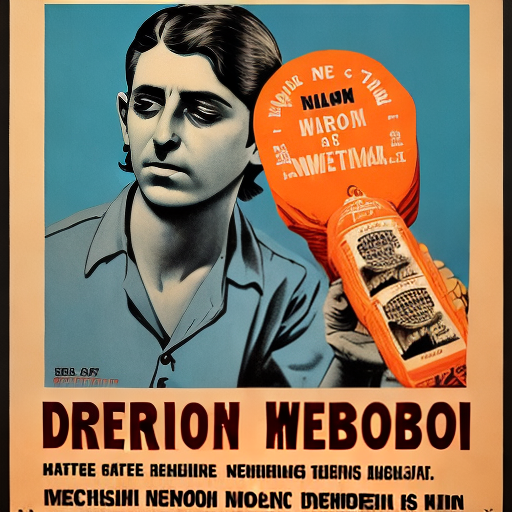
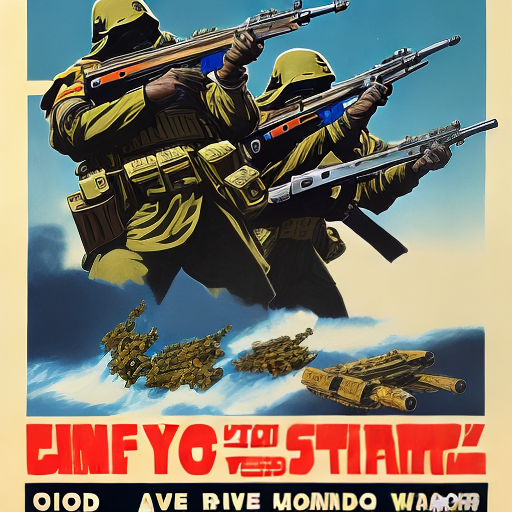
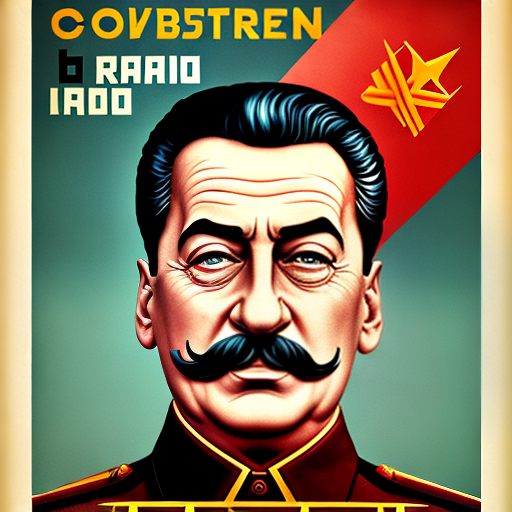
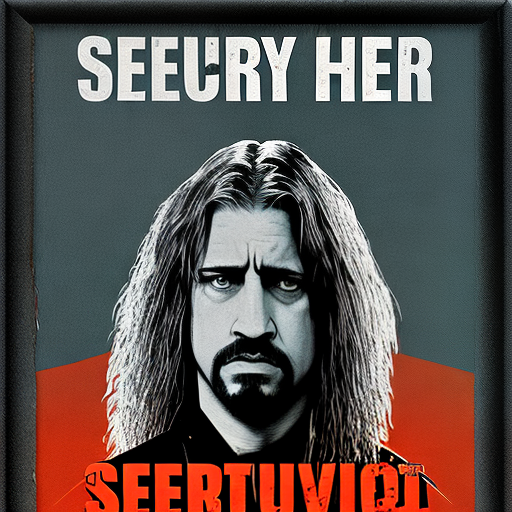
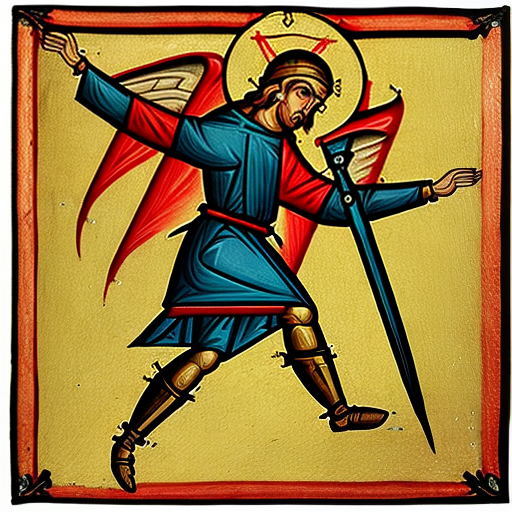
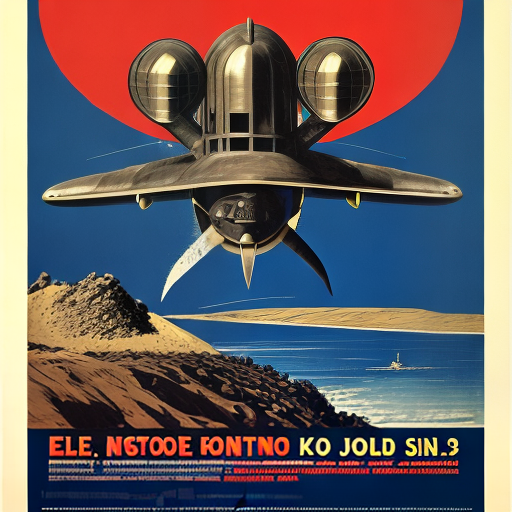
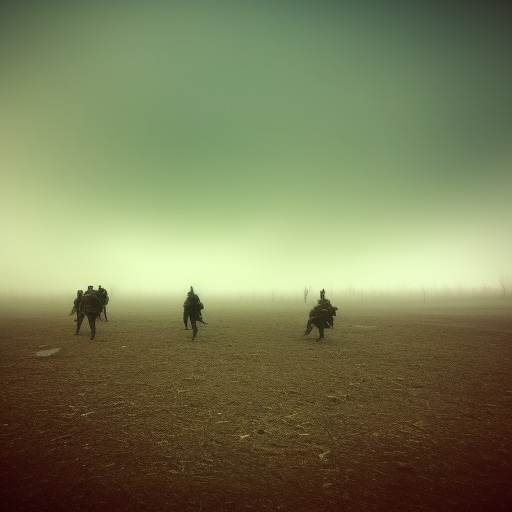
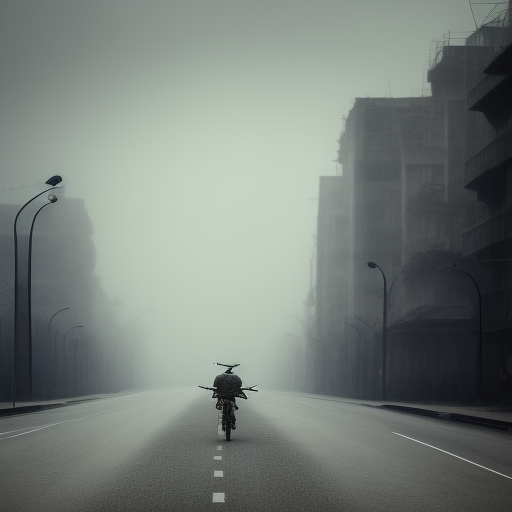
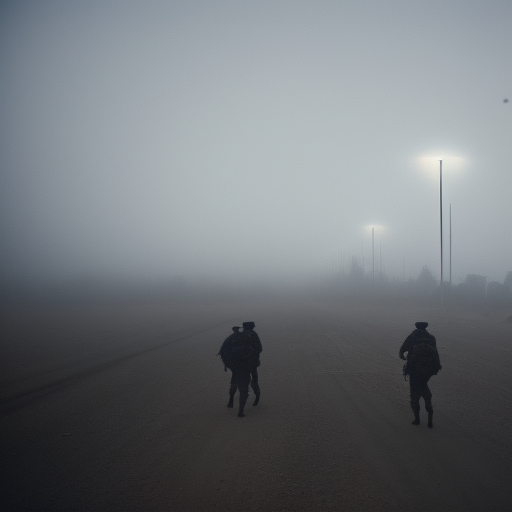
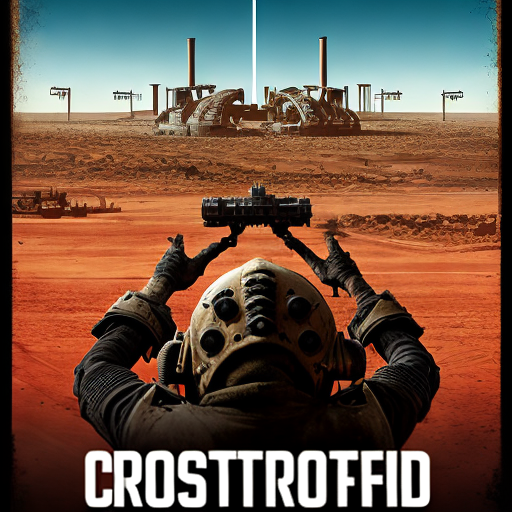
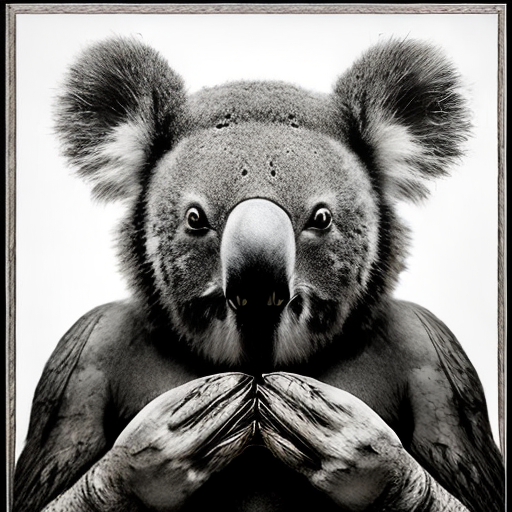
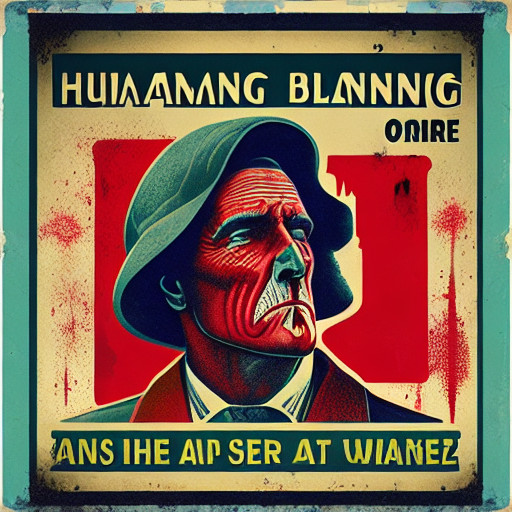
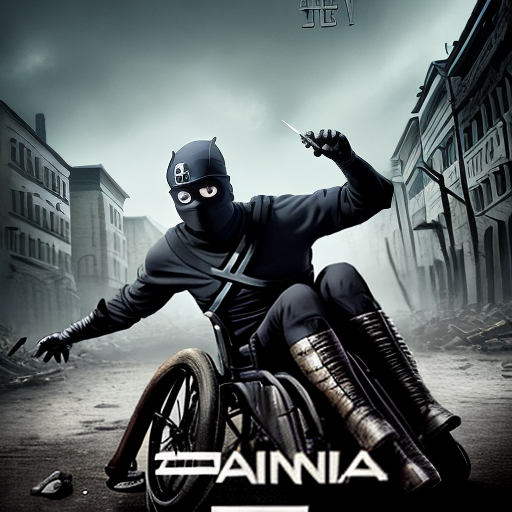
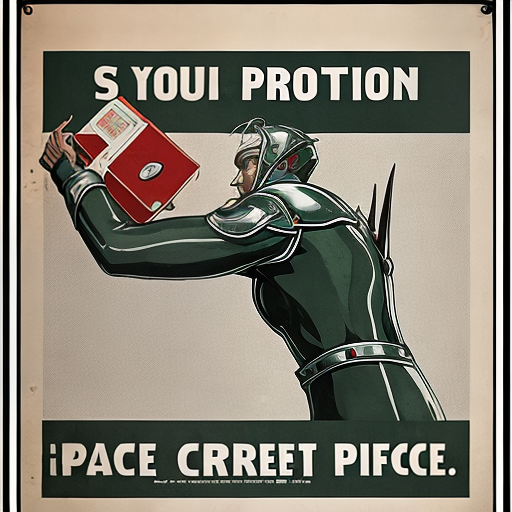
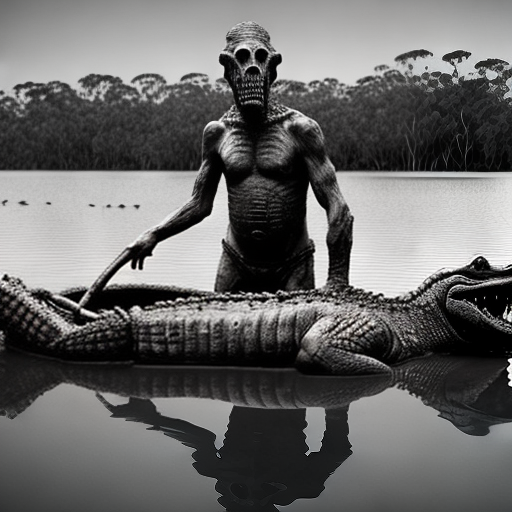
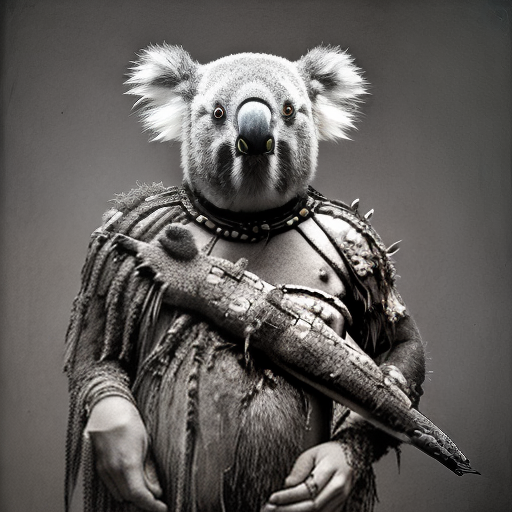
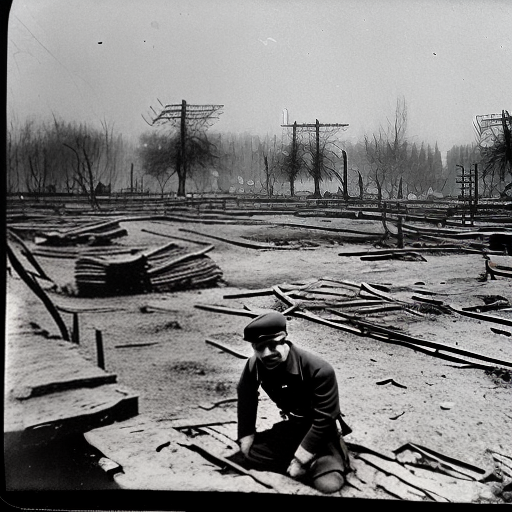
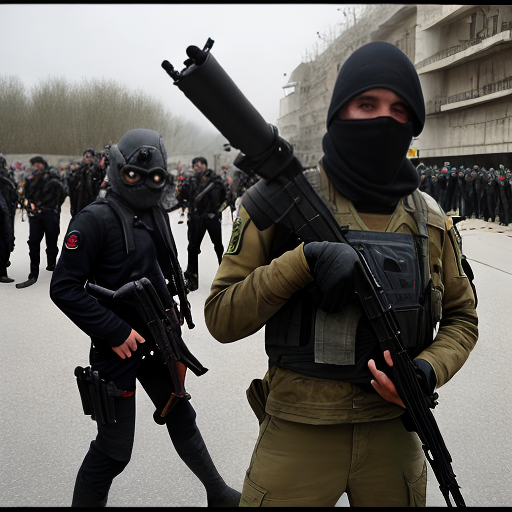
However, the emergence of AI-generated images has revived the concept of the “Aesthetic of Error.” Some images may appear “flawed” or imperfect, yet they possess an intriguing quality or convey an emotional message despite their apparent flaws. I wanted to explore this idea before publishing my poster campaign.
These AI-generated photos, which may appear ridiculous, are not intended to mock the erratic behavior of AI. I take full responsibility for how the image is generated. Therefore, if anyone should be held accountable for any mistakes, it is me. I am proud to assume both the responsibility for mistakes and the credit for the new value that these images present. As a veteran photographer, it is heartening for me to witness the resurgence of such aesthetics, thanks to the advent of Artificial Intelligence.

There is a significant connection between an image and a symbol, particularly regarding how we, as individuals, perceive certain images, how our brain functions, and how our cultural background influences our understanding of reality.
One theory regarding image communication in photography suggests that the actual content of the photo is not necessarily crucial as long as it effectively conveys the intended message.
I believe similar experiments in theater were conducted by Tadeusz Kantor, where he directed spectacles in a way that actors performed their actions while reciting abstract words. The experiment with form and its connection to the ability to convey a message is fascinating to artists, cultural researchers, and scientists.


















 MODDING SIMULACRA
Leave a comment