The dust has settled, and it seems the world has come to terms with the existence of artificial intelligence. The loud protests and demands to halt research, even temporarily, (until the big corporations – so called Death Stars – manage to commercialize the technology, to prevent it from falling into the hands of irresponsible rabble) have proven successful.
Just as before, I didn’t show much interest in dealing with AI, but the loud voices calling for a ban convinced me that I absolutely had to take a closer look at it. It turned out that AI is not only a great tool for laypeople but also that it can catalyze the expertise and skills of professionals, enabling them to work faster or – and this is the most exciting part – to create new forms, experiment… and in this way contribute to the development of better versions, actively participating in the emergence of something new.
Don’t know what I’m talking about? Ask yourself this question – how often in a person’s lifetime do they have the opportunity to participate in a technological or cultural revolution?
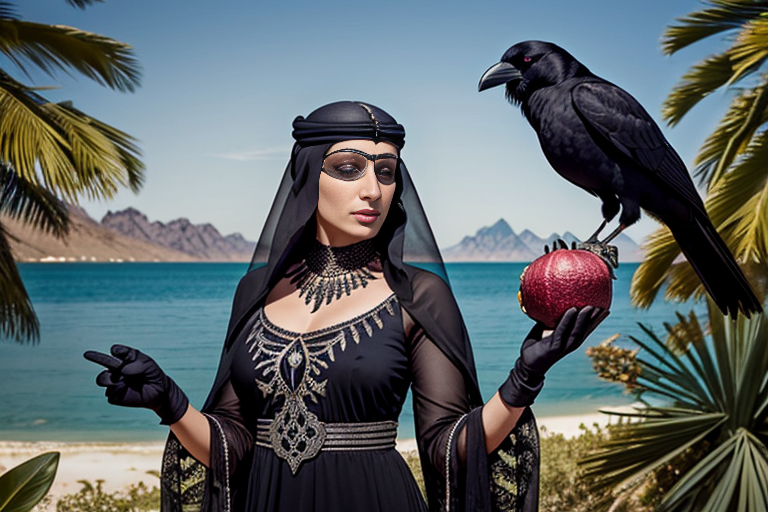
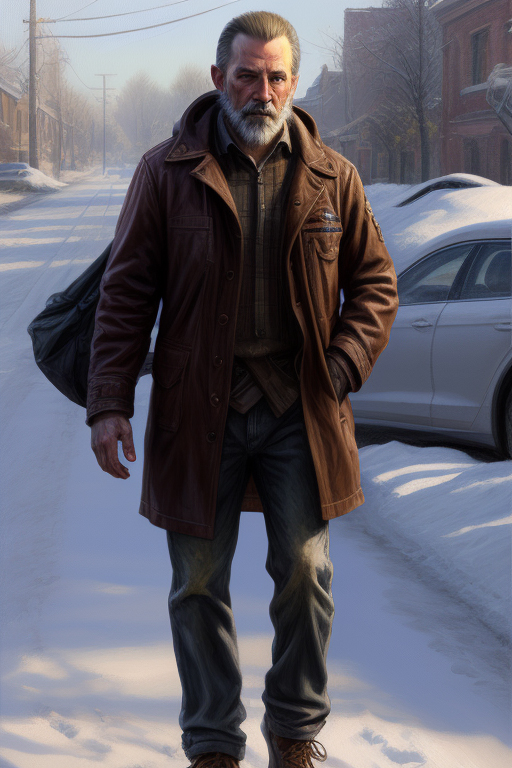
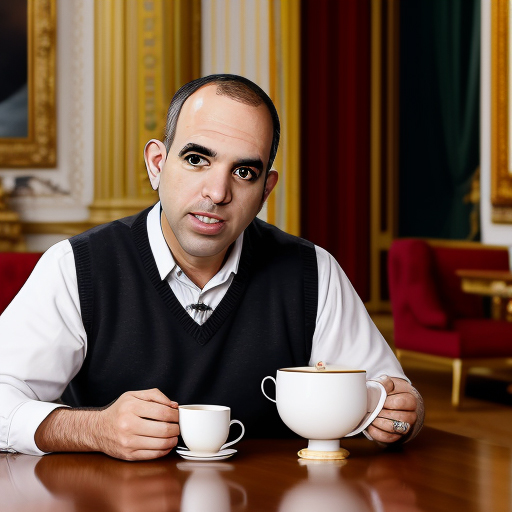
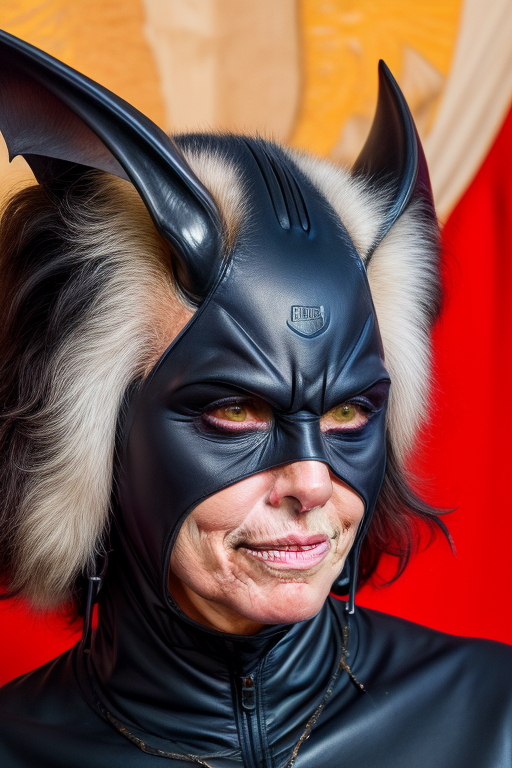
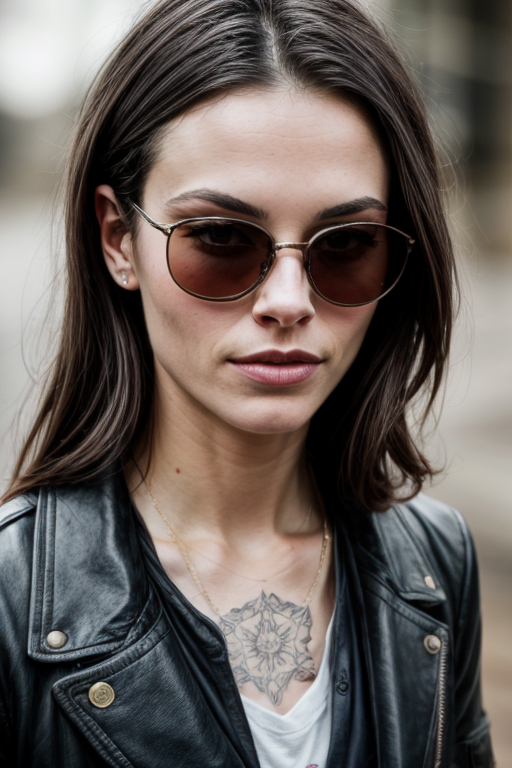
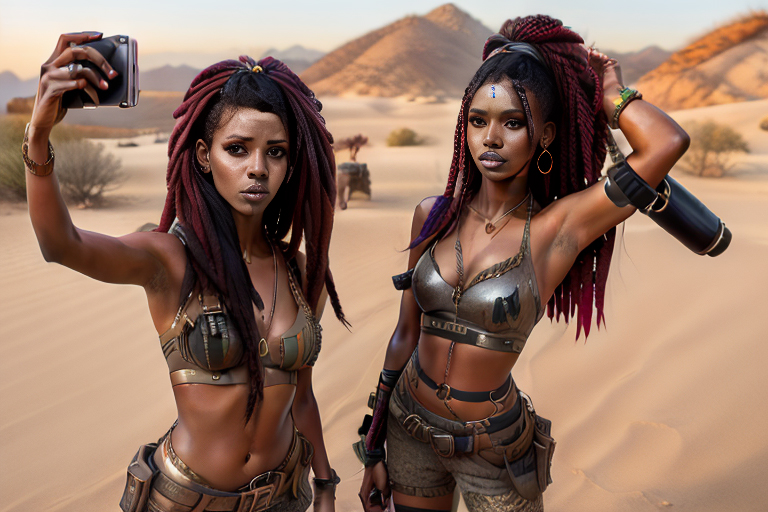
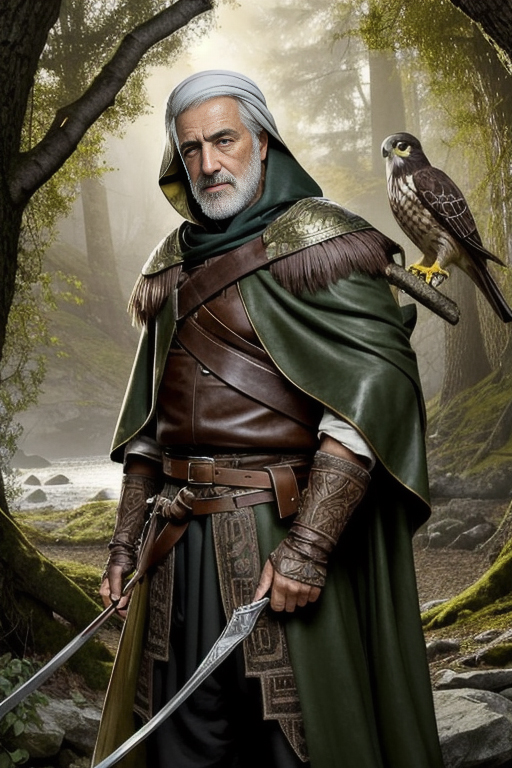
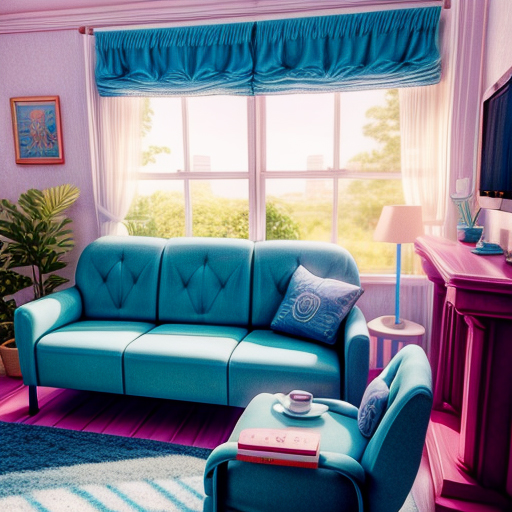
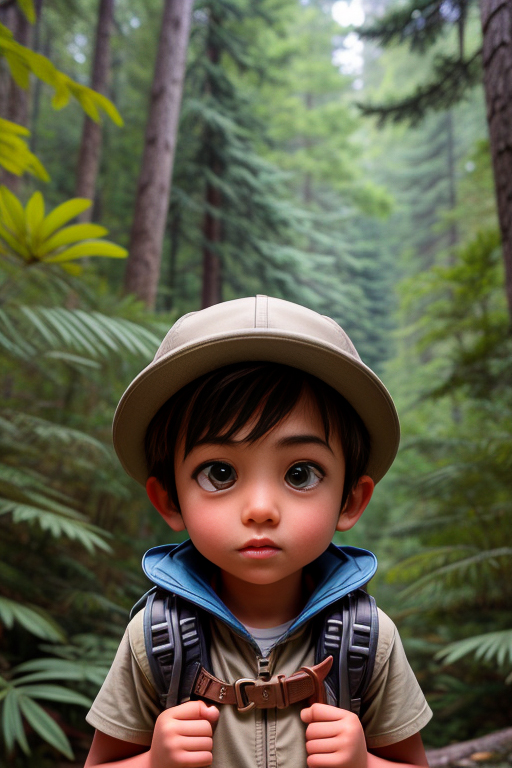
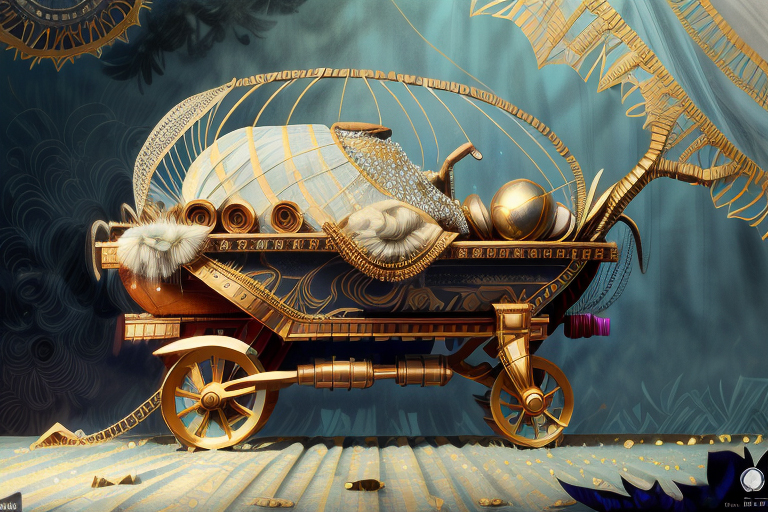
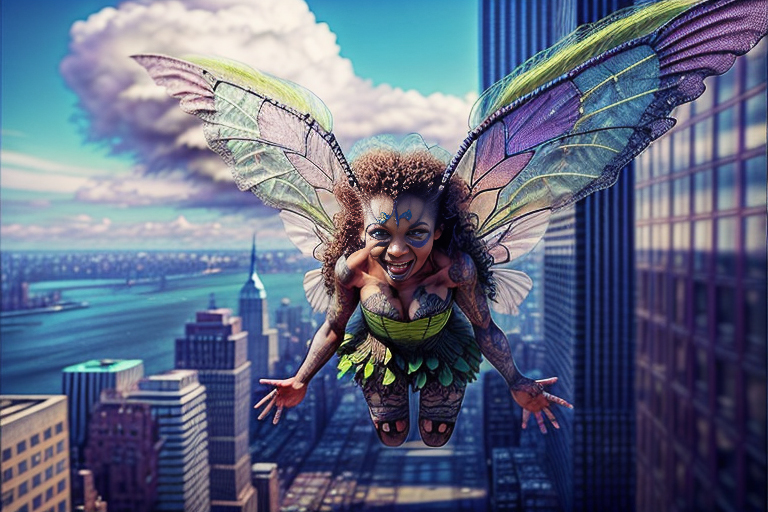
And now for something completely different: 50% of the images below were generated using a computer (AI), while the other half was taken with a camera.
Can you tell which is which? I have placed the solution to this puzzle below the gallery.


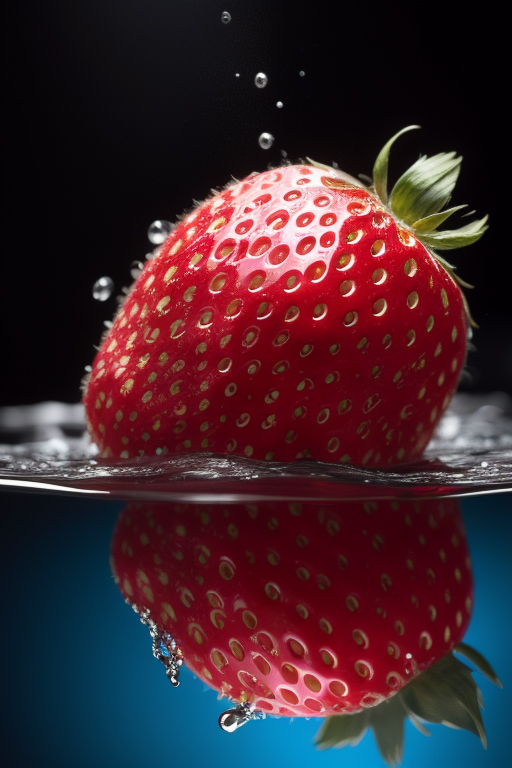
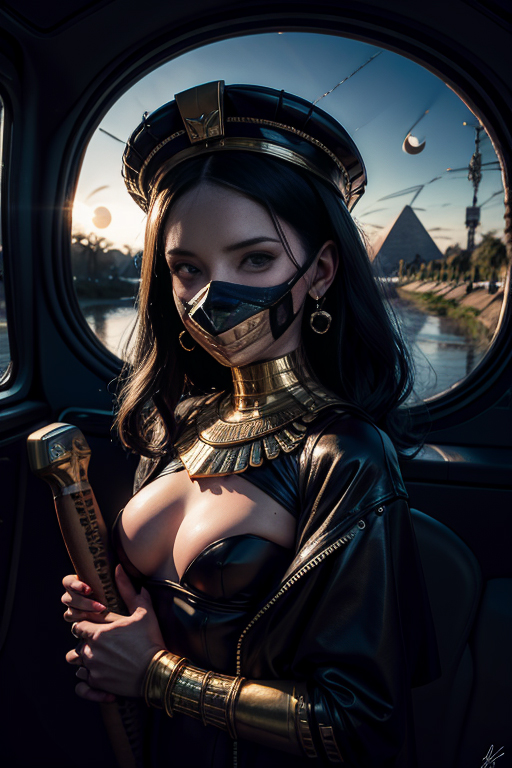
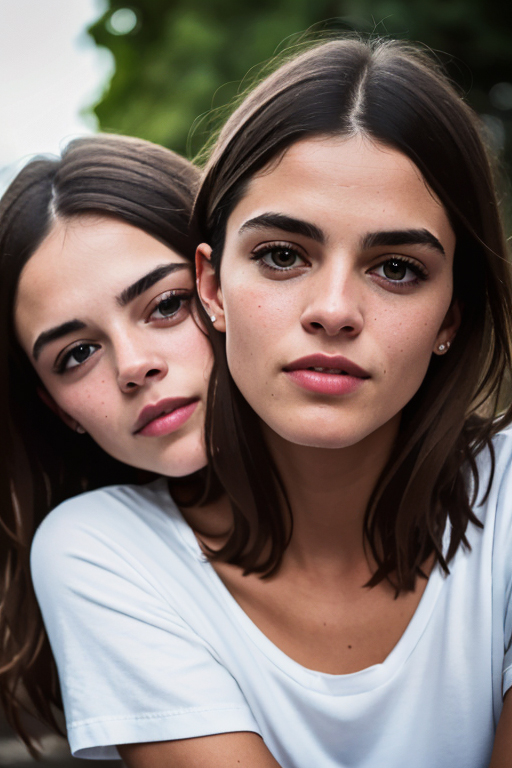
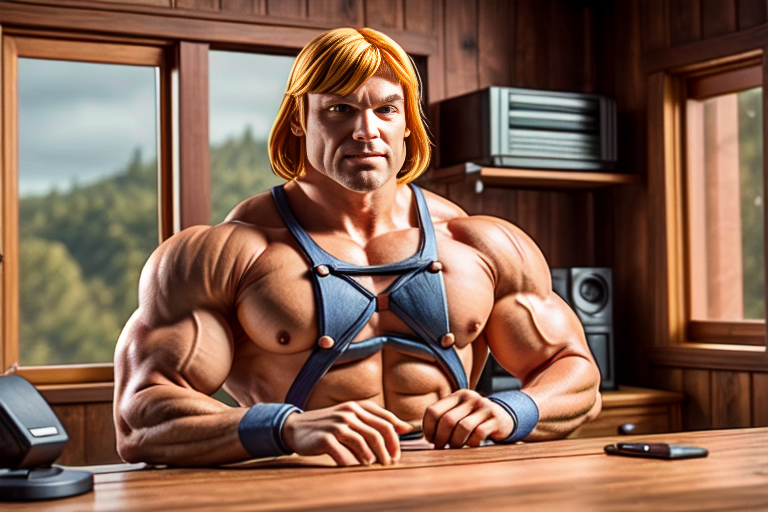
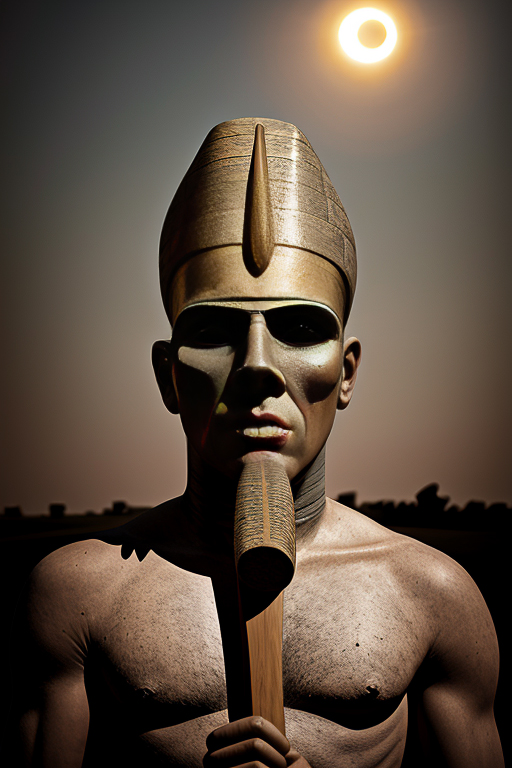
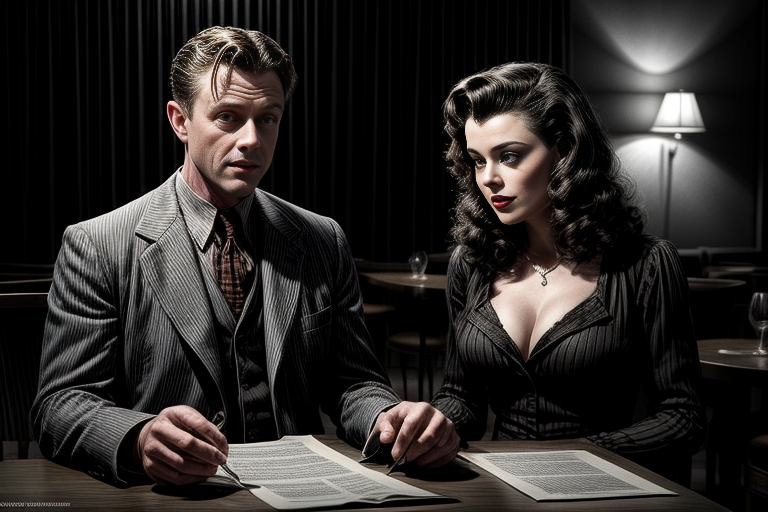


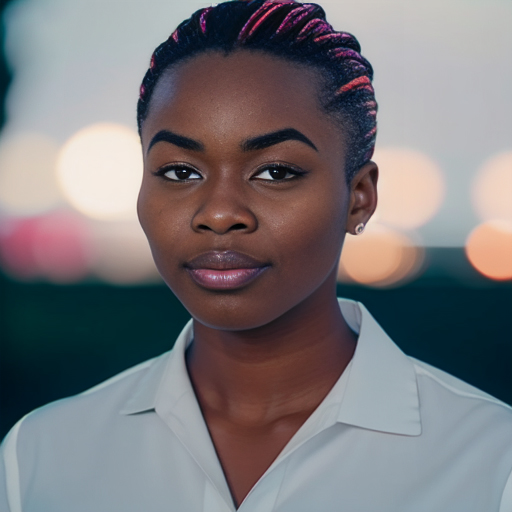

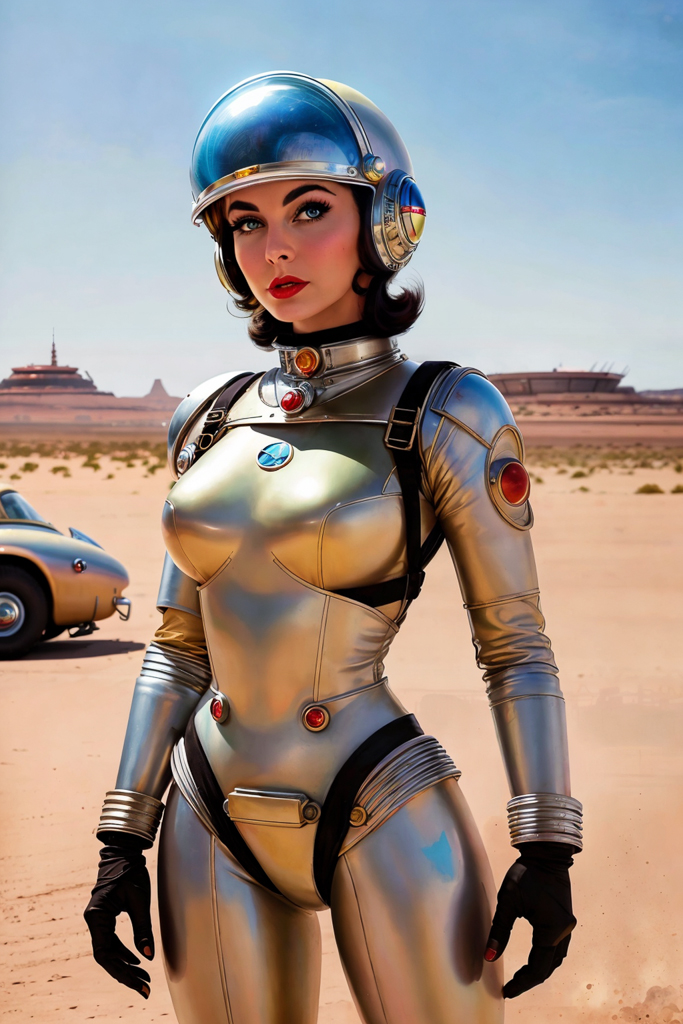
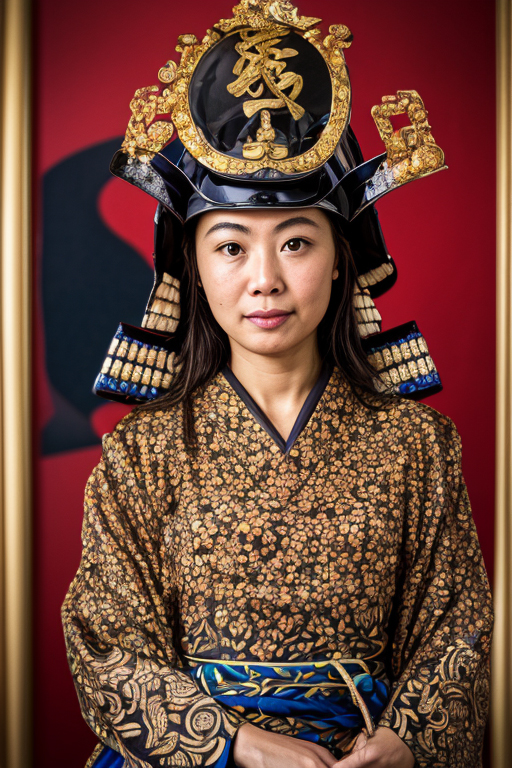
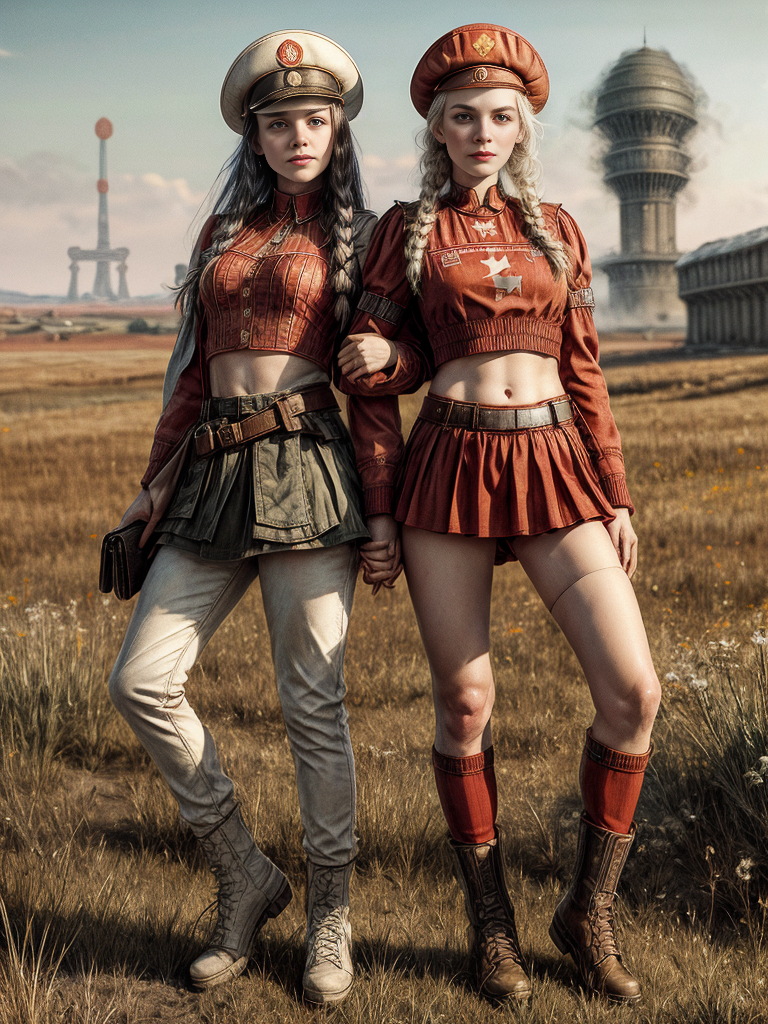
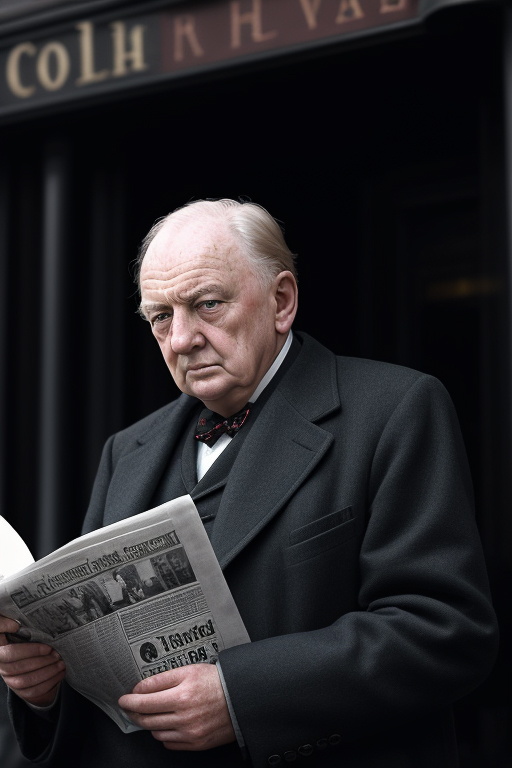
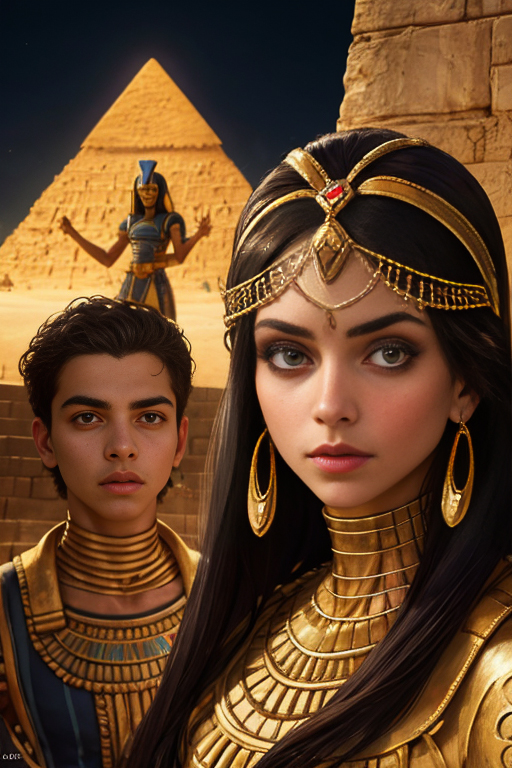
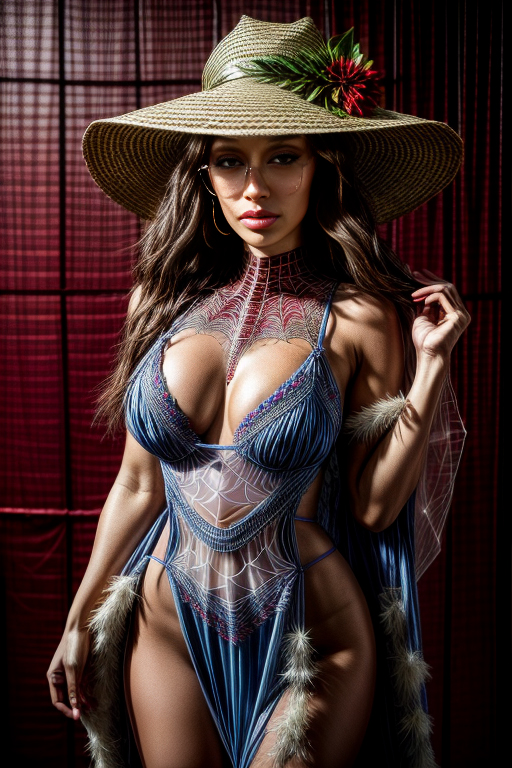
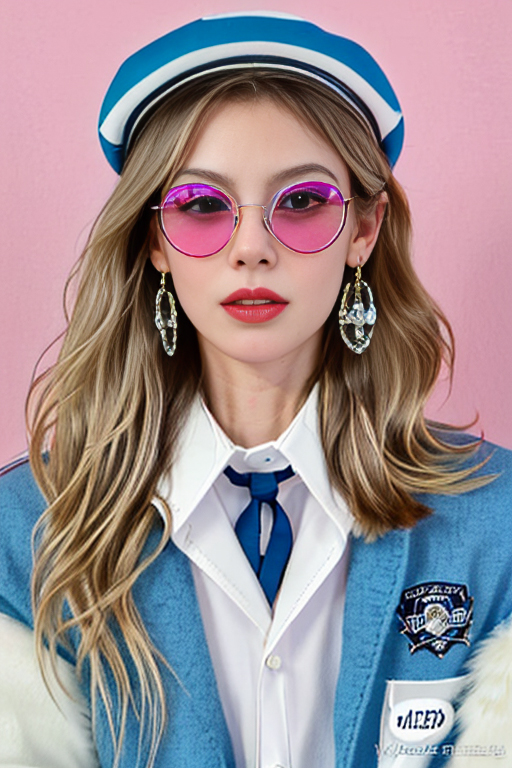
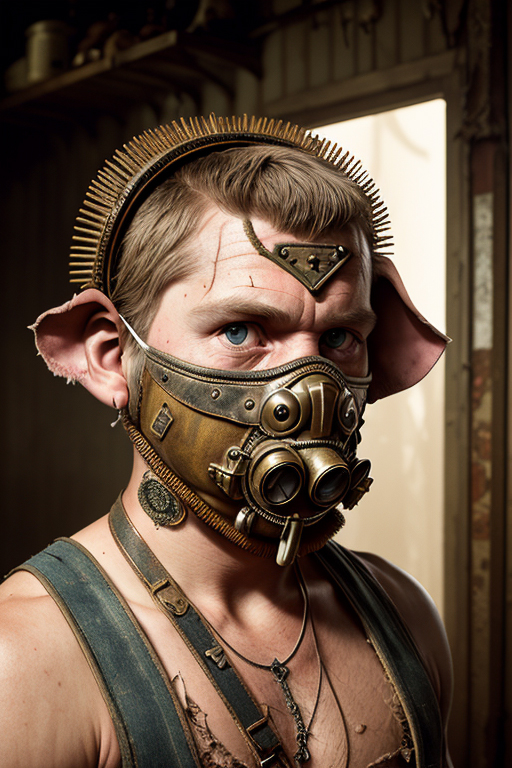
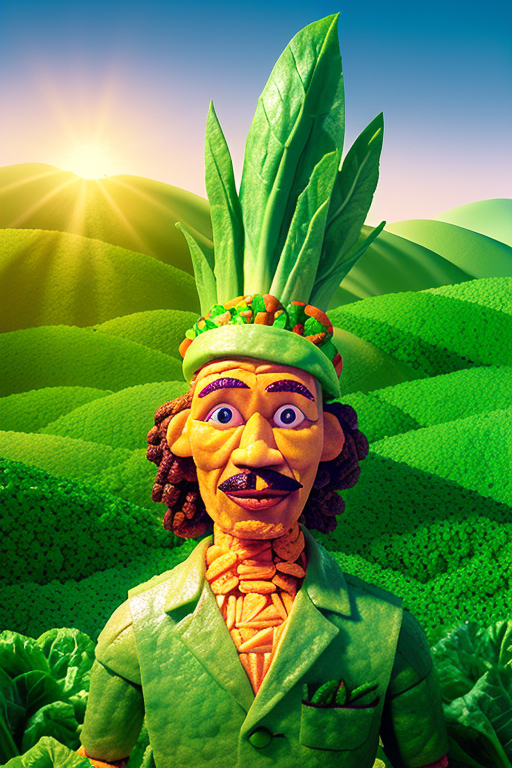
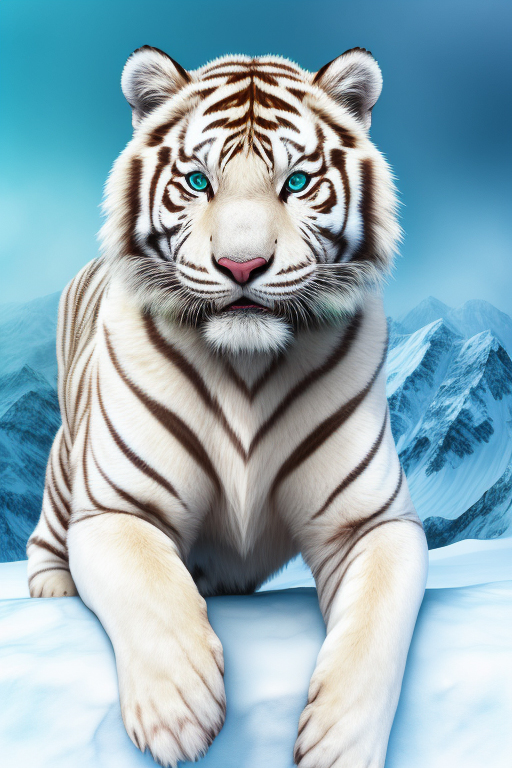
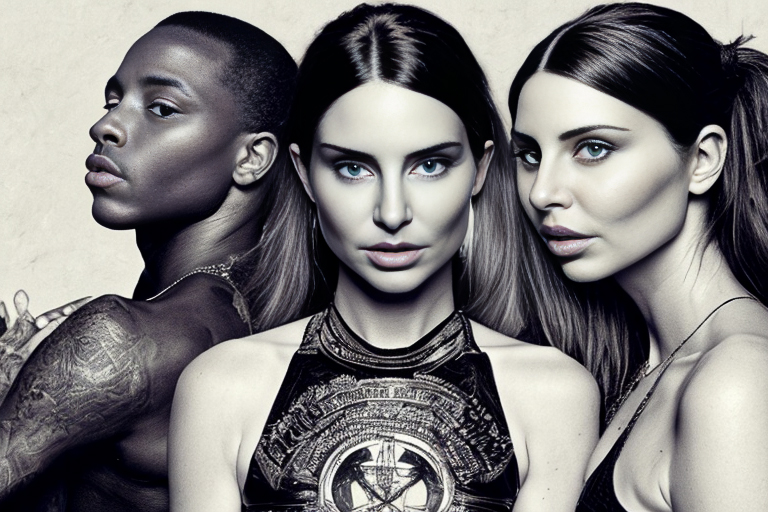
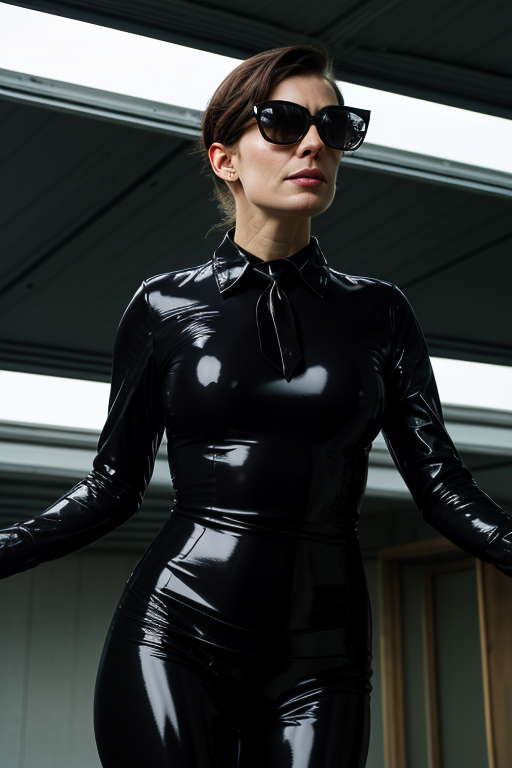
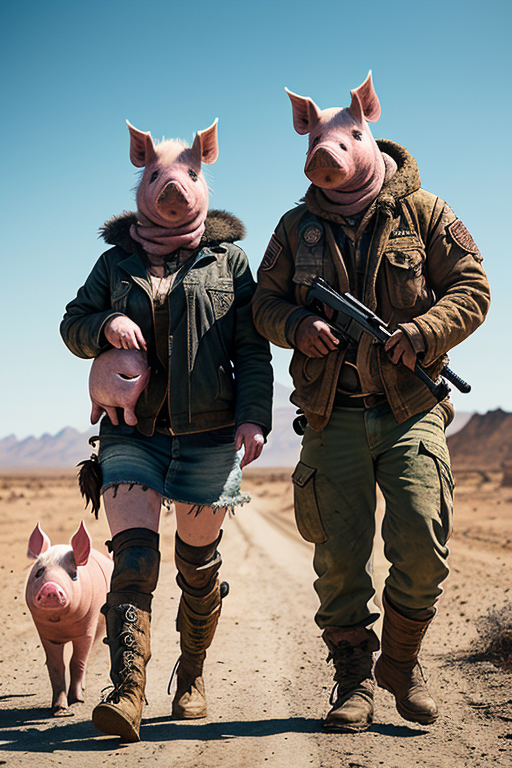
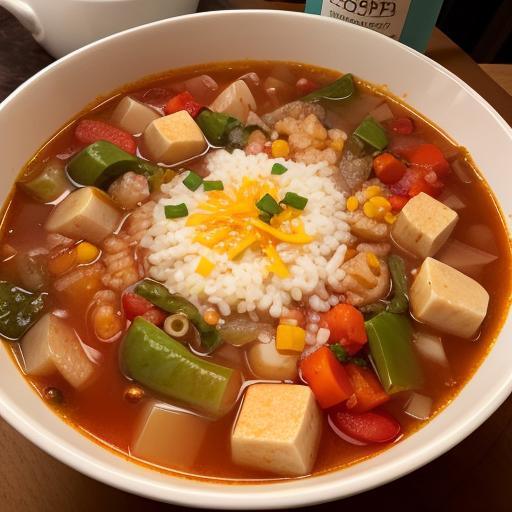
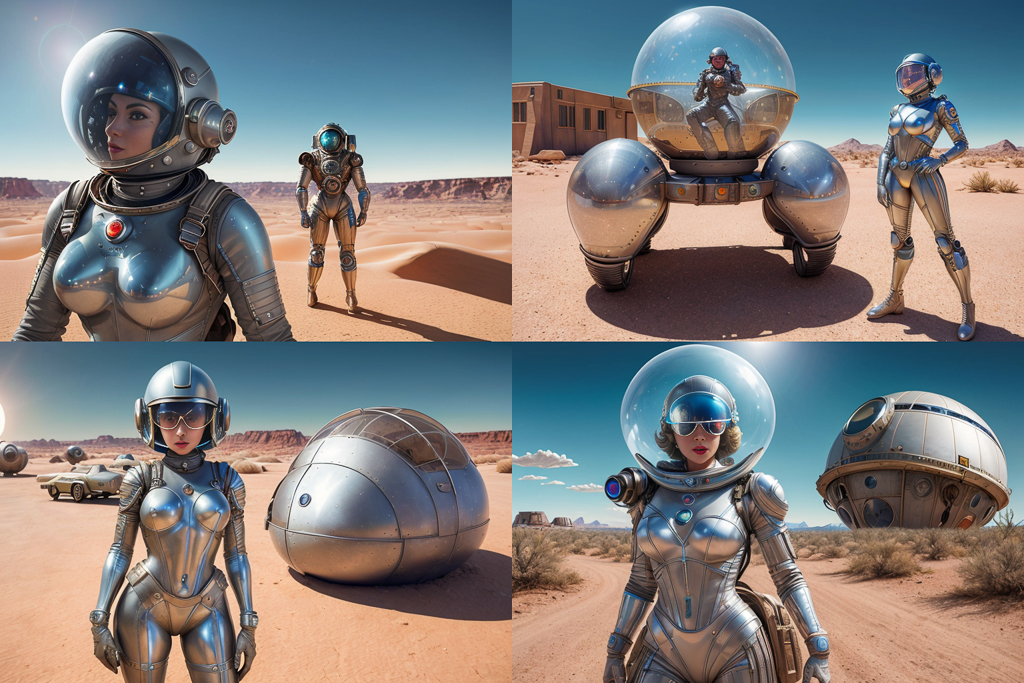

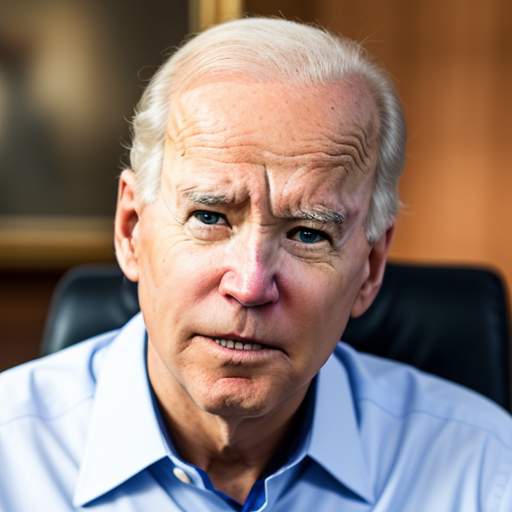

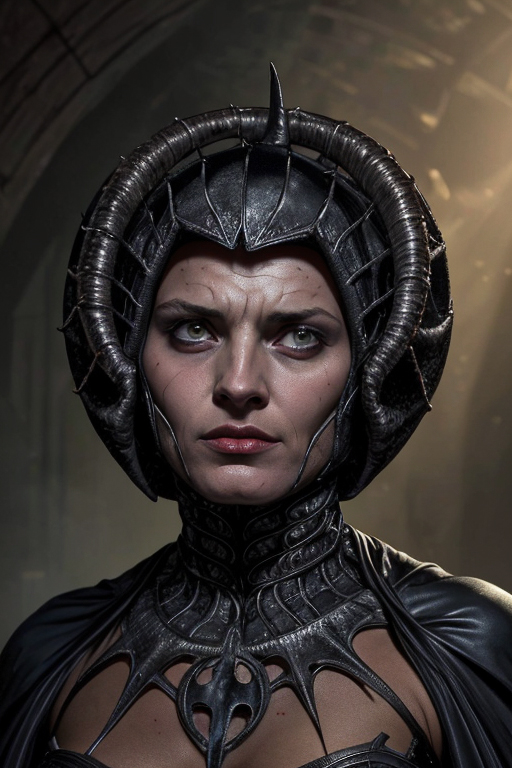
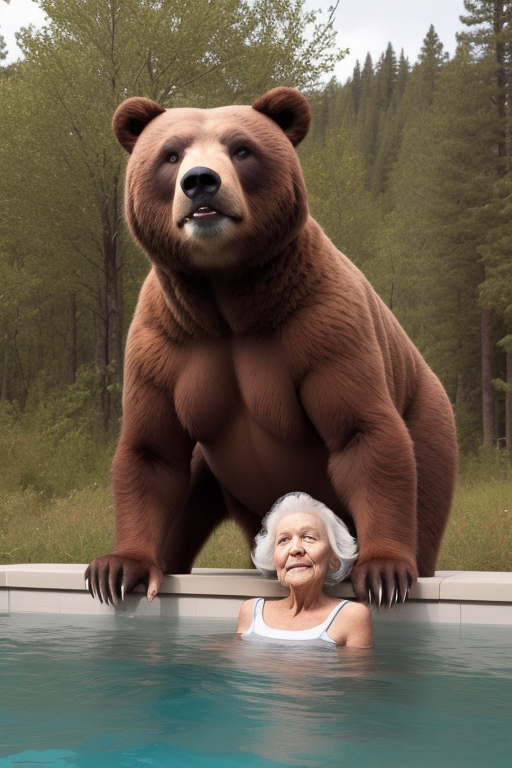

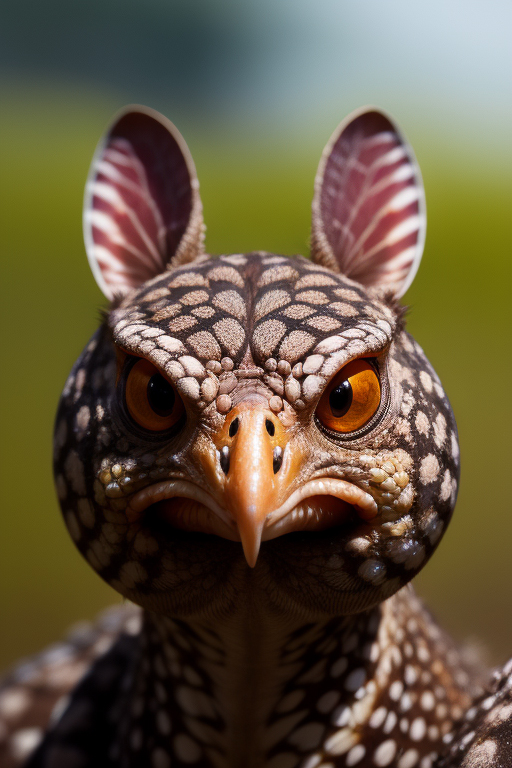
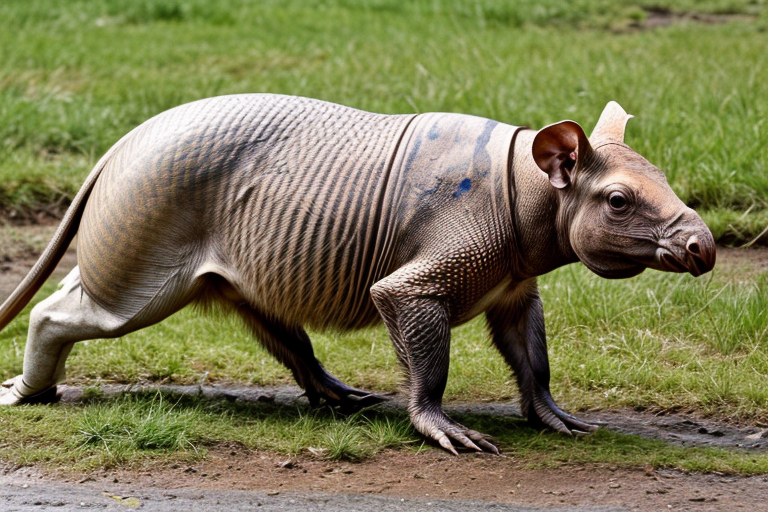
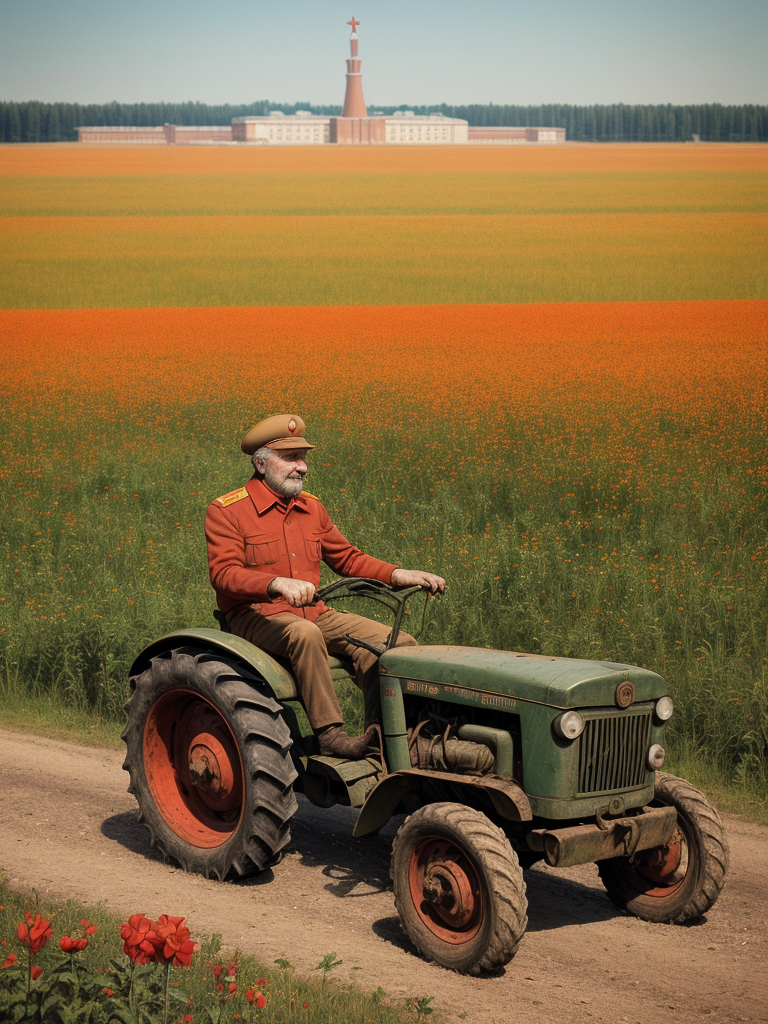
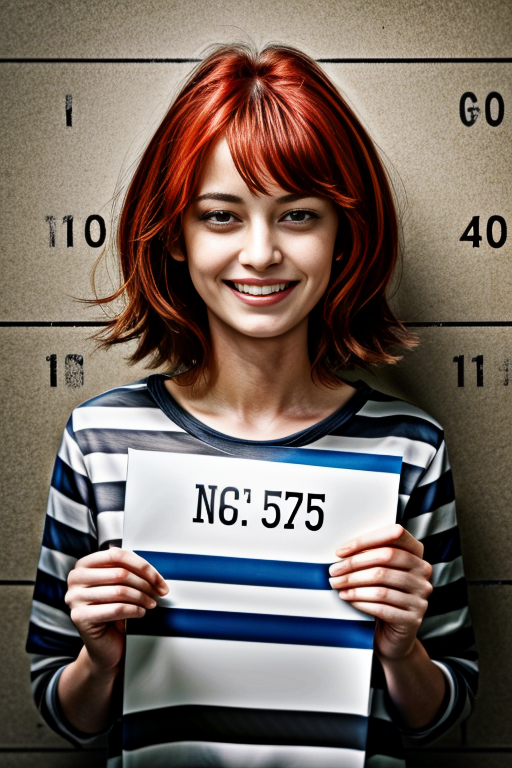
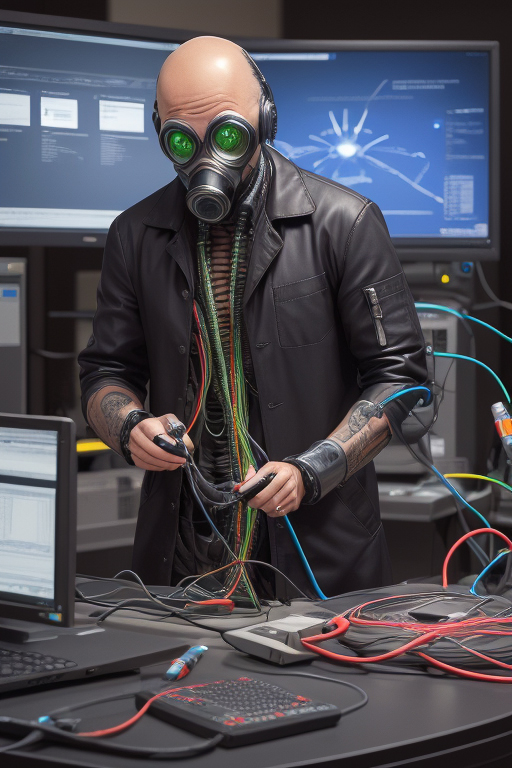
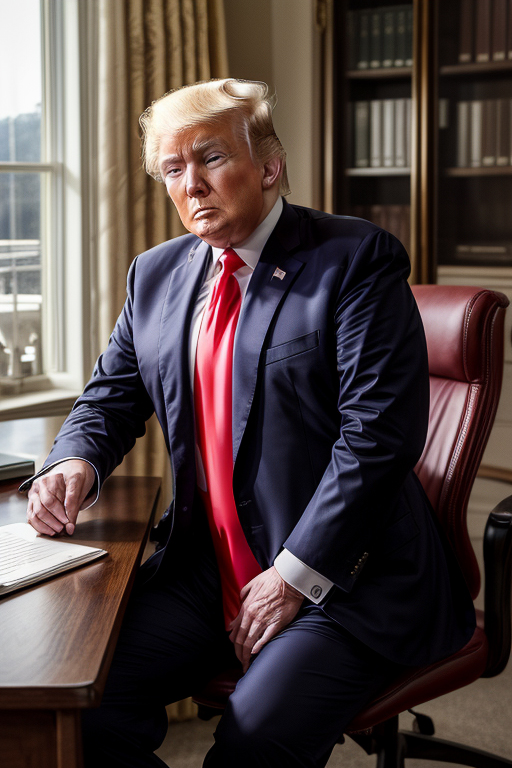
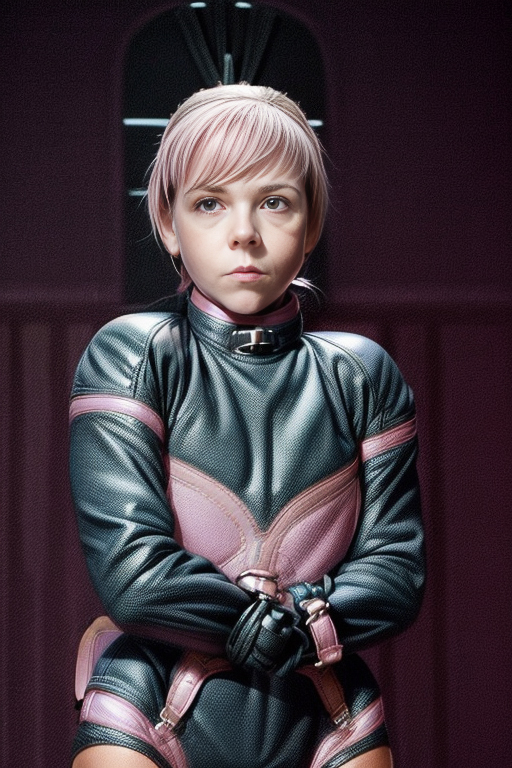
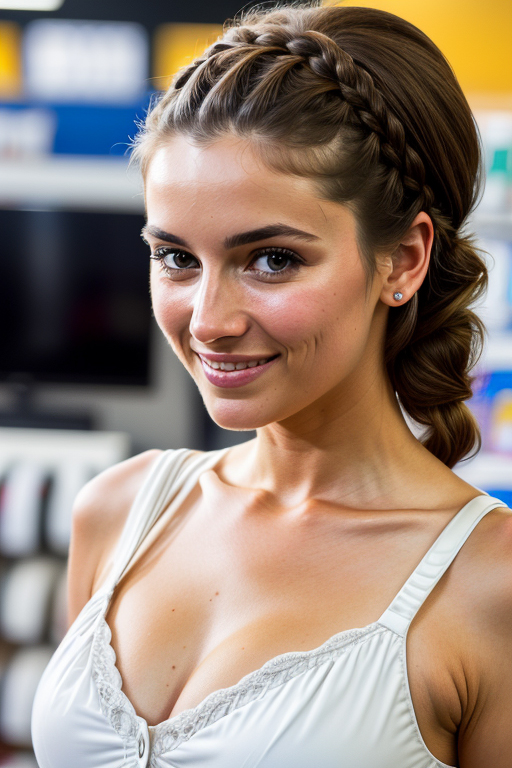
ANSWER!!!
Which photos represent real situations and events? Which ones did I create using AI as my obedient companion? Which ones are completely imagined, never having happened? Yes, I’m asking you which people look fake, unreal, as if they have never existed?
See the answer below:
SURPRISE!
Everything you have just seen is a new form. All the events, situations, and even depictions of real people were created by me without ever leaving the computer. I didn’t even stand next to a camera while producing these visuals.
And this is the new reality. Interested?
How does it work? How do you create such images? What can’t be done? What is the actual quality of these images? Is it going against the current, or can I use it for my own purposes? Should I struggle against it (well, it will be easier with the sun) or adapt to it? (Here’s a little hint: humans are the most powerful species thanks to their best skill in what? Adaptation.)
I have spent over two months intensely training in image generation, and I believe it is such a fascinating tool that it’s worth presenting and sharing. Personally, if I were still working as a photographer, I wouldn’t sell my camera (never! – as a matter of principle). I mean, I wouldn’t get rid of a professional tool for capturing images. But, beware, I can imagine that someone working in AI graphics for 6 to 12 months, if they really wanted to, could generate a photo for any request.
And have you heard about this!? That with just “one click,” we can generate dozens of images? Aren’t you curious if it’s true?
What I find interesting… No, utterly fascinating, is the fact that AI turns the tables and establishes all the rules anew.
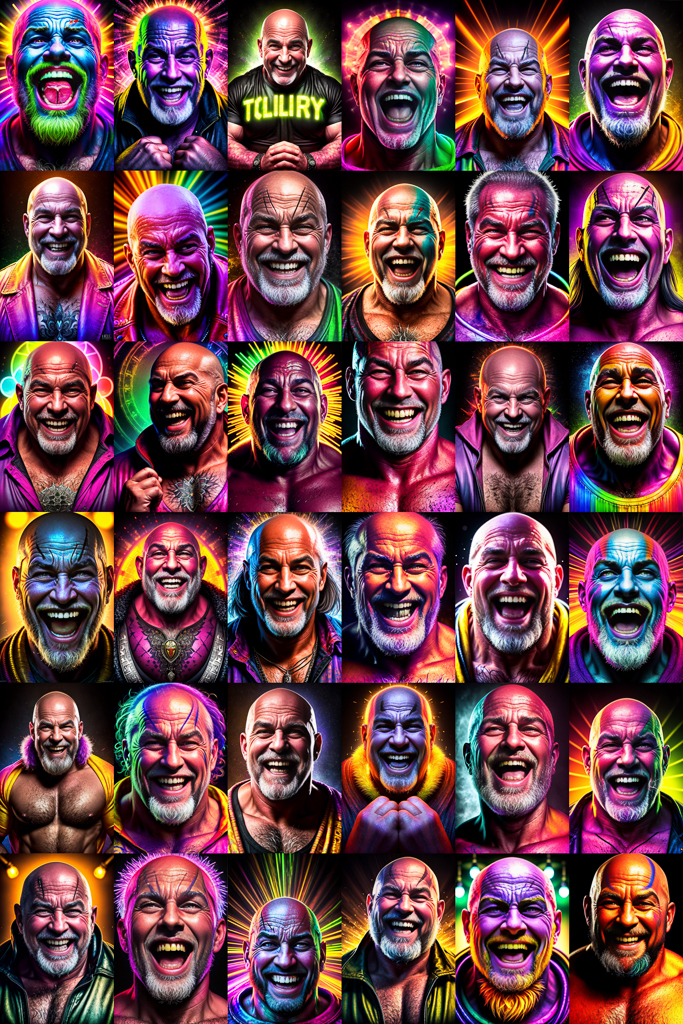


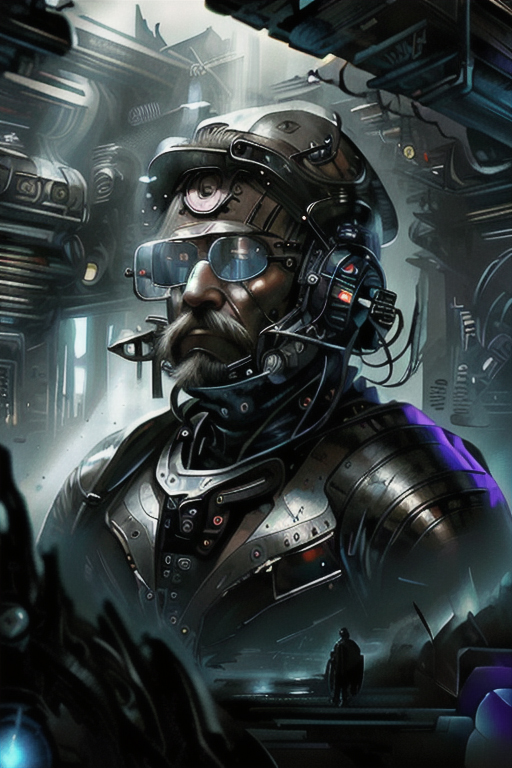
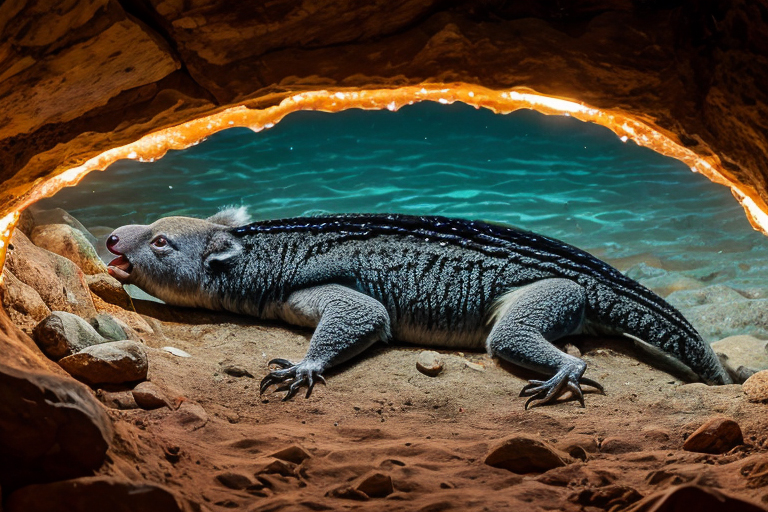
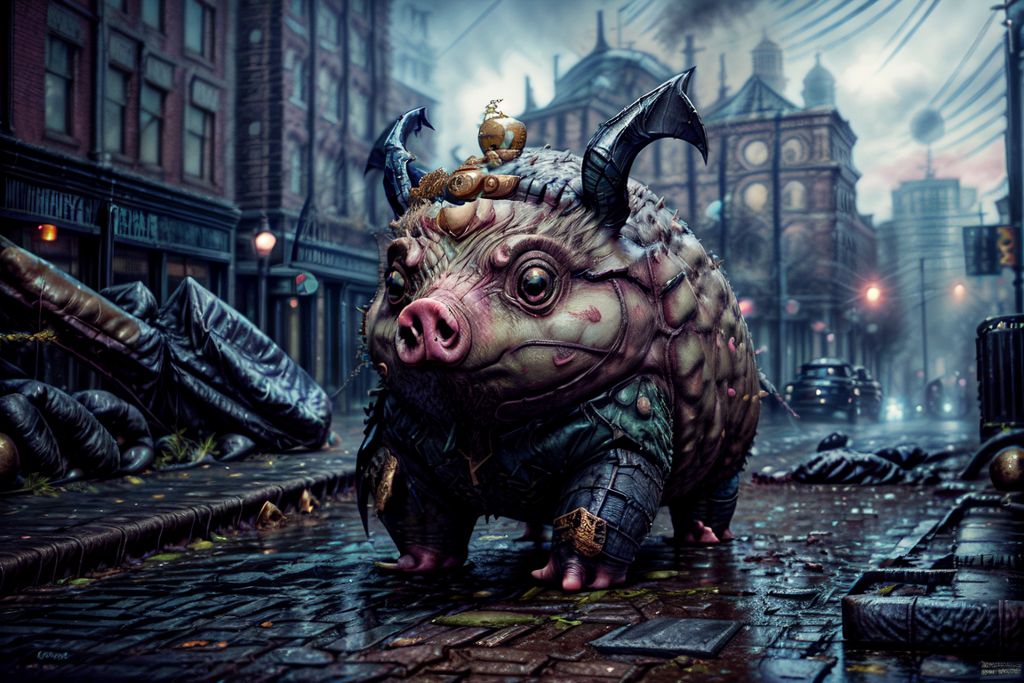
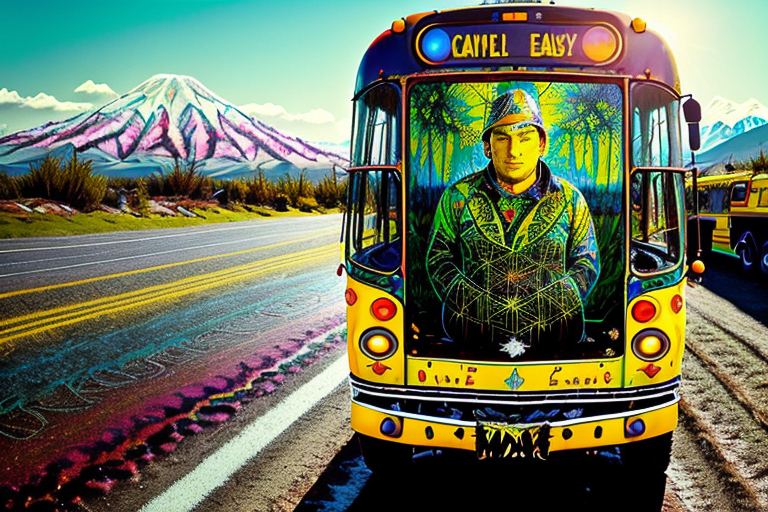
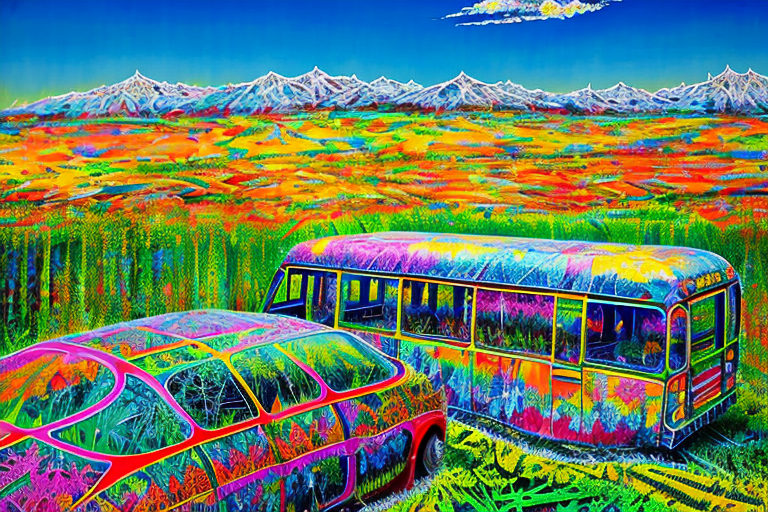

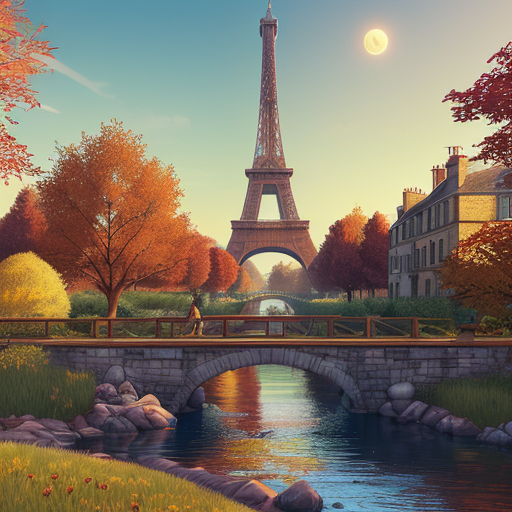

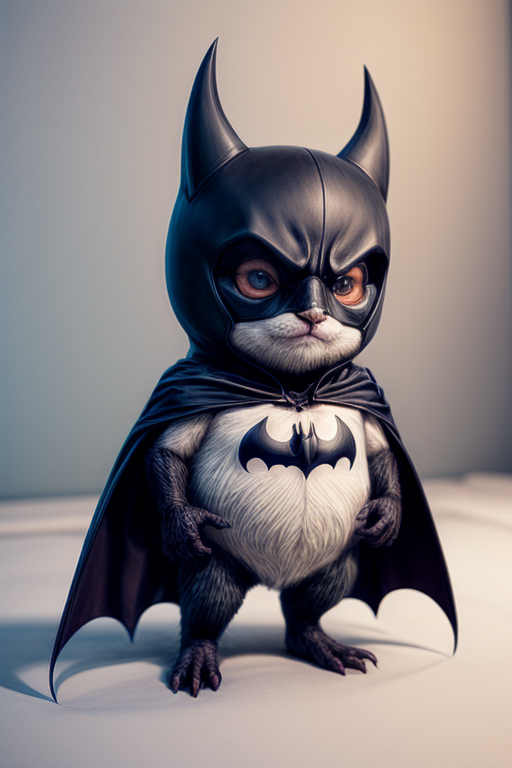
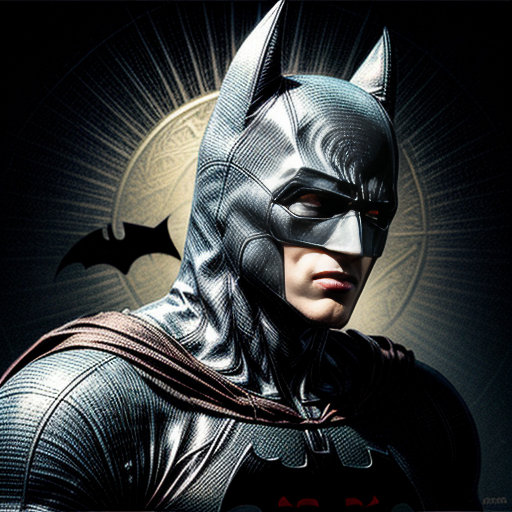
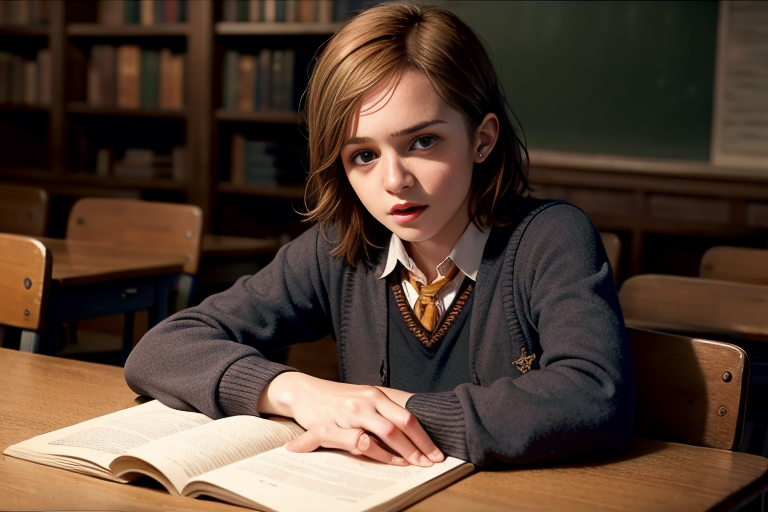
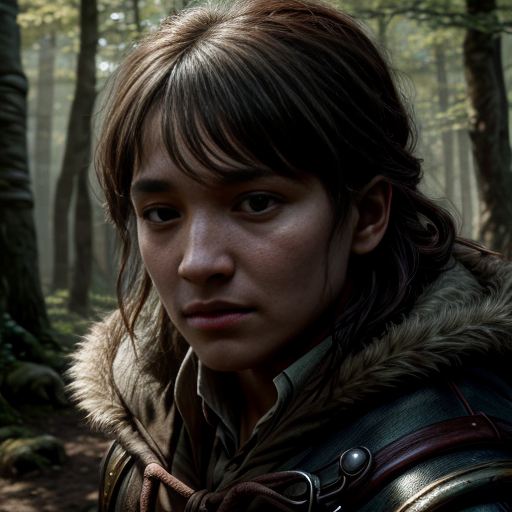


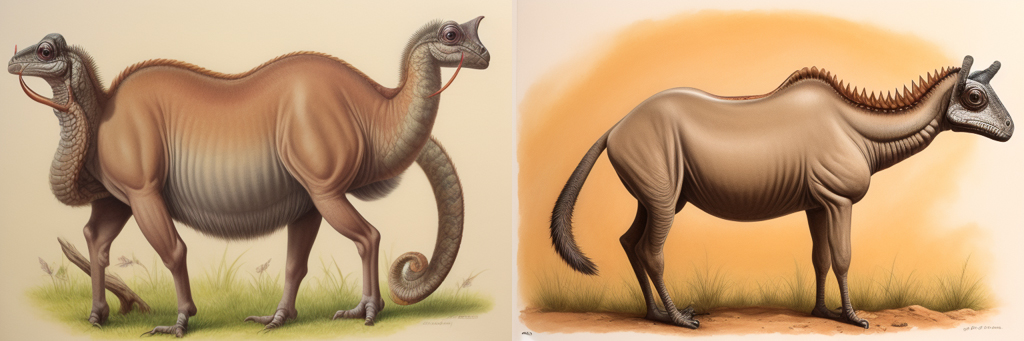
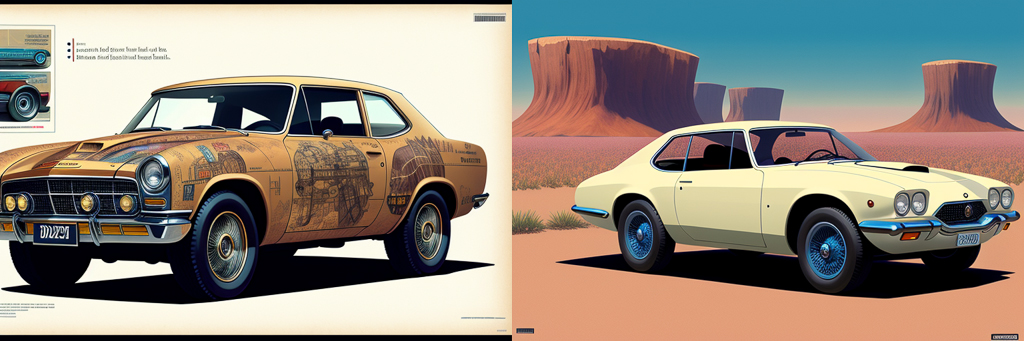

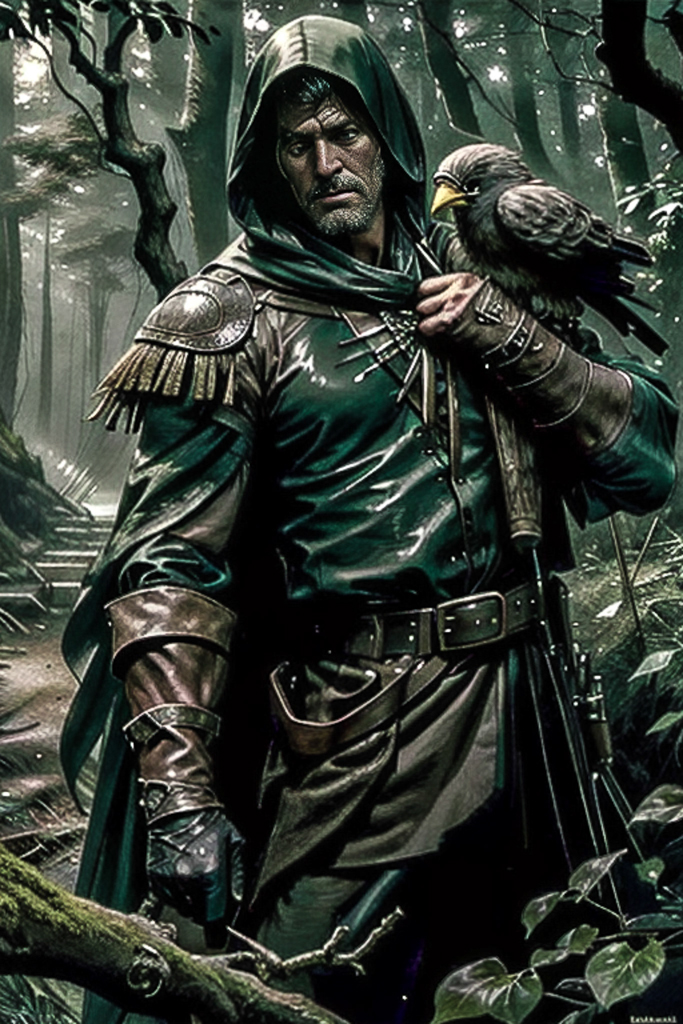
Attention – writers, historians, especially art historians, cultural scholars. I have some really good news for you!
Guess what? You don’t need to spend hundreds of hours training your hand to faithfully or surreally depict what’s in your mind. Anyone, literally anyone, can create their dream image. Because now, images are created by writing.
Hey, hold on! Take a moment to think about it. Let it sink in.
If you excel at writing, if you have the ability to be precise, concise, and have a vivid imagination, even if you’ve never attempted drawing or lacked the skill for it, those limitations are no longer relevant.
Is there a better way to transform your thoughts into a picture? Well, that’s a fascinating topic for another discussion.
Creating images nowadays is like a combination of playing in a casino, developing photos in a darkroom, and digital post-production.
Sneak peek: “Where is Anna” is just a presentation of snippets from a much richer history.
The barriers that were expected to slow down AI’s development, for example, compared to graphics in a year, two, or three, are falling within a few months. Tens of thousands of students worldwide are creating new applications or improving existing models and coding every day.
And that’s what I’ll be observing here. We will test, play, act, and push the boundaries of imagination and skills.
 MODDING SIMULACRA
Leave a comment